Most spiders are harmless. We target problem species — button spiders, violin spiders — and advise on identification. So you know when to treat and when to leave them alone.
Identify first. Target problem species.
6 mo. targeted programme when quoted; not zero spiders; quote prevails · Button & violin focus · Targeted harbourages · Safe when applied as directed.
Spider guide
Identification-led methodology, guarantees, safety, then book by city or browse regions.
Indoor spider activity often stays moderate in winter. Sac spiders and house spiders remain common in heated buildings. Proofing and targeted treatment reduce numbers.
Moderate
Sac spider (indoor), House spider, Button spider (sheltered spots)
Rain spider, Baboon spider (less visible)
Not every spider needs treatment. We focus on problem species and high-risk areas.
Here's what we look for:
Understanding the cause is the first step to lasting control—otherwise you're just hosting a sequel. Here's what we see on every job.
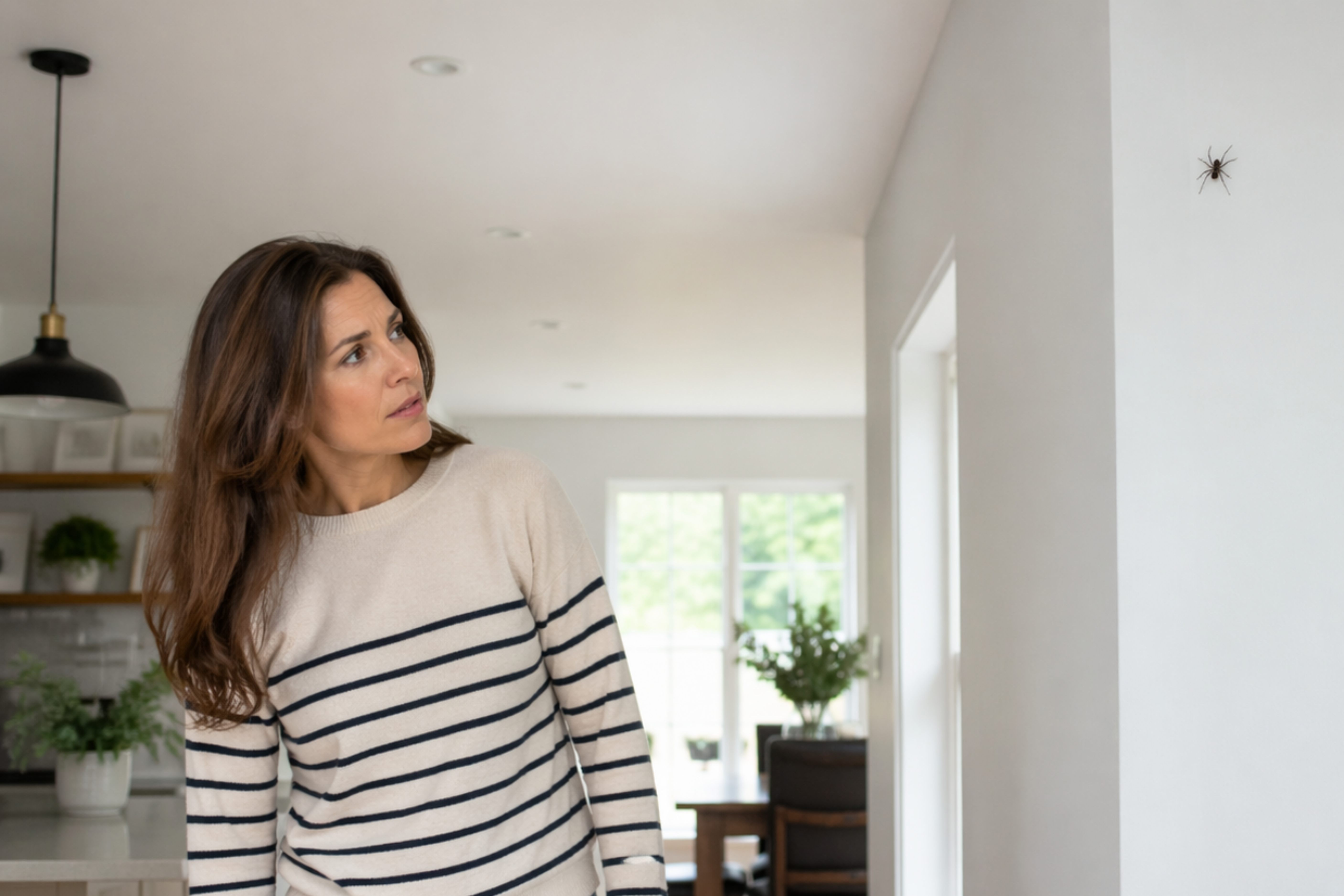
Spiders enter through gaps, vents, and vegetation touching the house. We seal and treat so they don't keep coming in.
Other insects attract spiders. Clutter and outdoor lights increase prey. We advise on reducing attractants and hiding spots.
Spider activity often rises in autumn or after rain. Regular treatment and sealing help keep numbers down.
Quiet corners, sheds, and vegetation harbour spiders. We target these areas so problem species are controlled.
Treating harmless spiders wastes effort. We identify first and target button spider, violin spider, and other problem species.
Many spiders are harmless or beneficial. We treat only where needed and advise on identification so you stay in control.
Most South African spiders are harmless. Button spiders and violin spiders are medically significant and need targeted treatment. We identify problem species, treat harbourages and entry points, and advise on when to leave spiders alone. Identification first — then control where it matters.
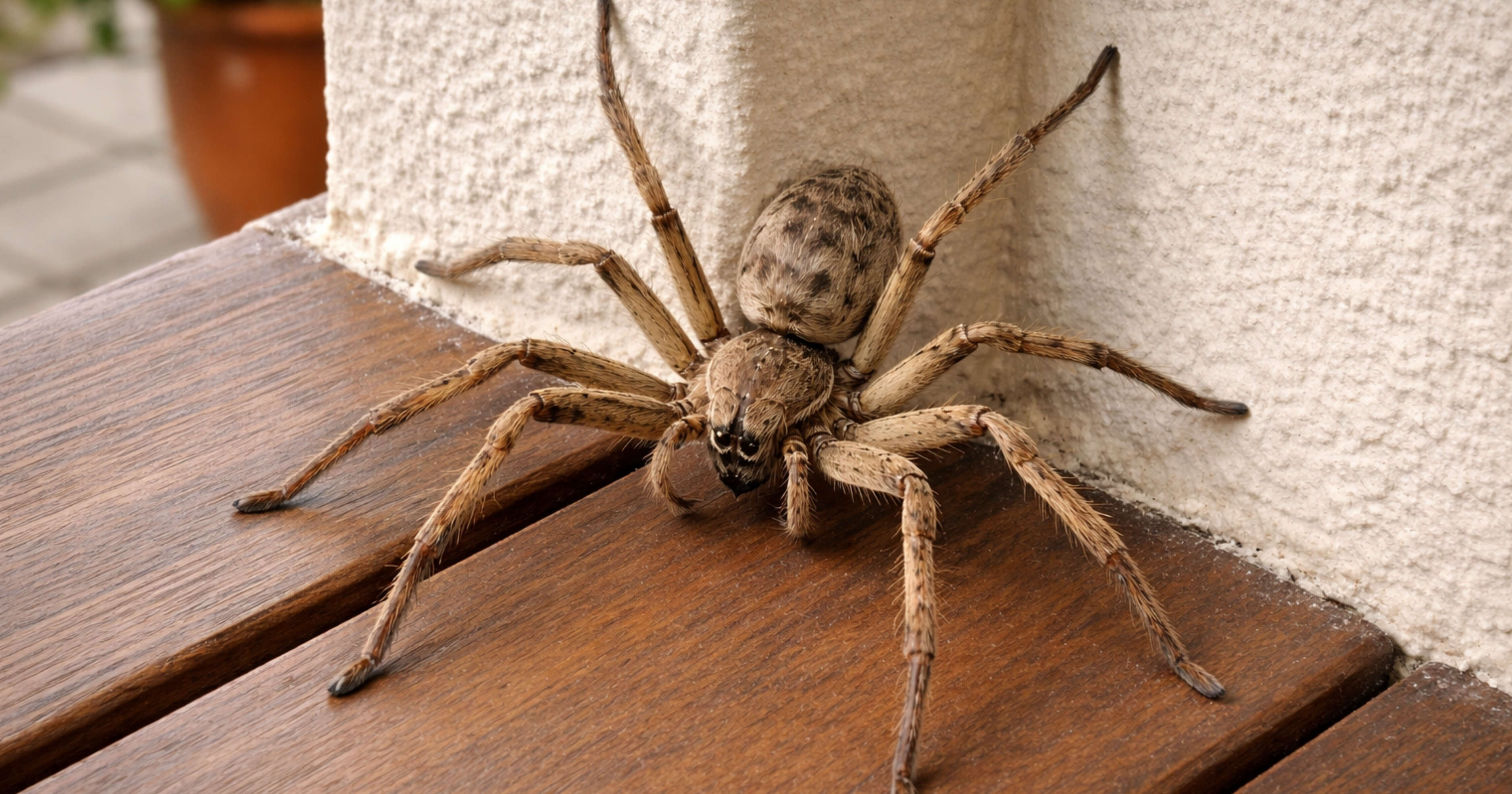
Rain spiders, huntsman, and orb weavers are harmless. Button spiders and violin spiders need professional treatment. We use our spider identification guide and your description to target the right species.
Black and brown button spiders and violin spiders can deliver medically significant bites. We treat nests and harbourages and advise on reducing risk. Don't attempt to handle them.
We don't blanket-spray. We focus on problem species and areas where spiders pose a risk. Sealing entry points and reducing clutter help keep spiders out.
Most spiders eat other pests. We advise on which to leave alone and which to treat. Our identification guide helps you decide when to call us.
That's why we put identification first — then target treatment for problem species only.
We identify first, assess the property, target problem species, and advise on sealing and prevention. We don't blanket-spray.
We ask what you've seen and where. We use our spider identification guide and your description to determine if treatment is needed.
We look at entry points, vegetation, and harbourages. We focus on areas where medically significant or nuisance species occur.
We treat harbourages and runways for problem species. We don't blanket-spray; we focus where it matters.
We advise on sealing gaps, reducing clutter, and turning off unnecessary lights. We point you to our spider guide for future ID.
If spiders return or you see new species, we can reassess. Identification helps us target the right control.
We ensure problem species are under control and you know when to treat and when to leave spiders alone.
Spider control should be targeted and informed. We identify first, treat problem species, and advise on sealing and prevention. Safe for families and pets when applied correctly.
Written guarantee on agreed targeted premises scope when quoted; problem species and named zones; not zero spiders forever; cooperation on clutter and attractants may apply. Your quote prevails.
We use our spider guide and your description so we treat the right species. Many spiders can be left alone.
Button spiders, violin spiders, and nuisance species get targeted treatment. We don't spray everything.
We apply products in targeted areas and advise on re-entry. Tell us about pets and we'll recommend the safest approach.
We advise on sealing gaps, reducing clutter, and reducing attractants so spiders don't keep returning.
Our spider identification guide helps you know what you're seeing and when to call for treatment.
We explain what we did and when to treat again. We help you distinguish harmless from problem species.
Proper spider control should feel informed and targeted — not a blanket spray. That's the Verminator difference.
Fast response. Expert assessment. Treatment tailored to your site—engineered to get it right, not just get them gone.
Quick answers to common questions.
We're here to help — get a free quote or use our spider identification guide.
We target problem species and advise on identification. Get a fast quote or use our spider guide.