They shred seedlings overnight and vanish under mulch by day. We treat the quoted bed and joint footprint, coach irrigation and shelter reduction, and stay clear on pet and pond limits.
We map slime highways from beds to paving—not only the first hole in a leaf.
6-month agreed garden bed and paving-edge programme when quoted; shelter and irrigation cooperation; not zero regional molluscs; pet/pond product class on paperwork; quote prevails
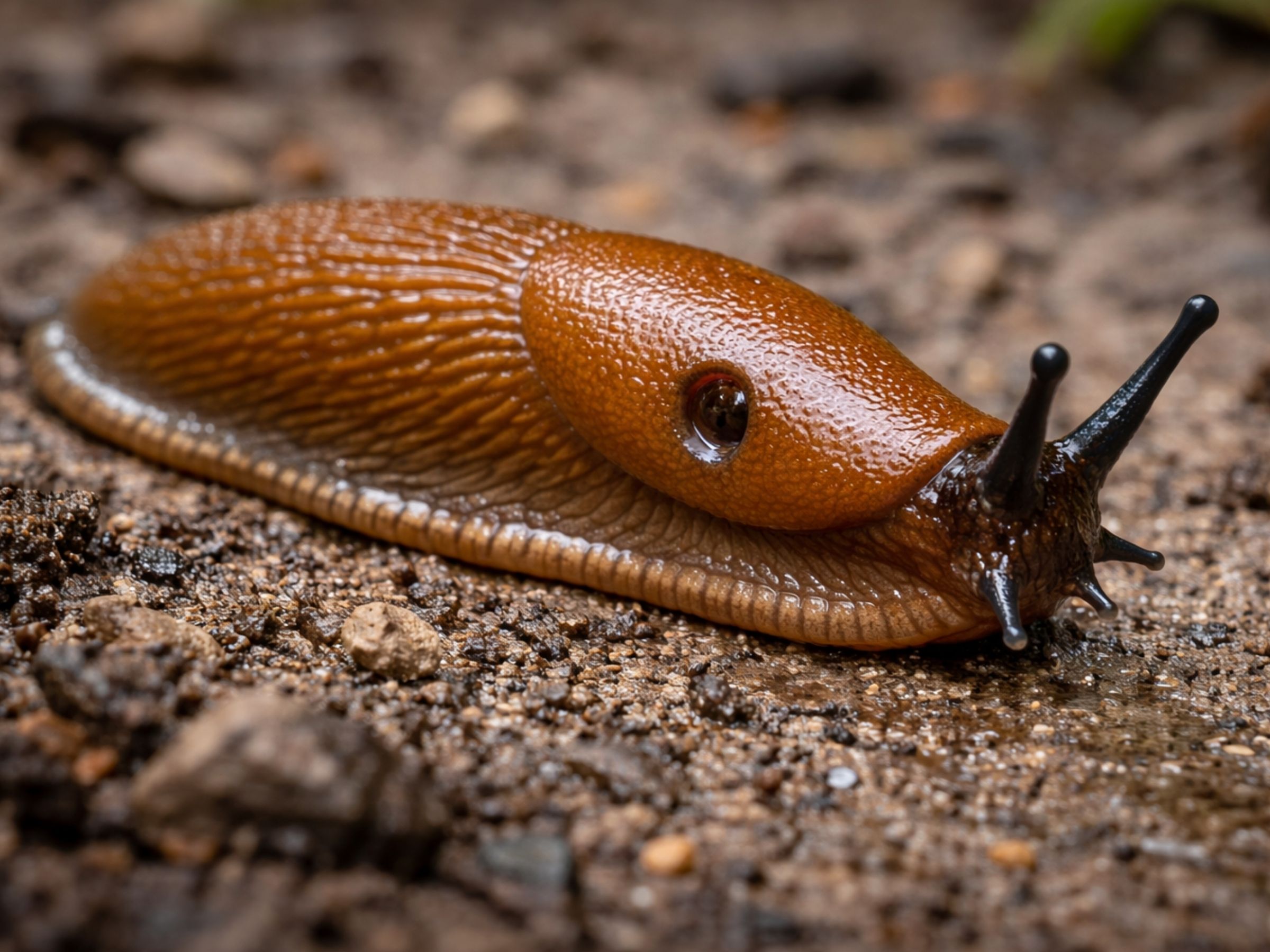
Snails & slugs guide
Bed and paving programmes, pet-safe product classes when quoted, irrigation coaching—then city landings or quote.
Western Cape winter rains and mist extend slug-friendly surfaces. Proofing and joint-line work now reduces spring seedling losses.
Moderate
Garden snail
Leopard slug
Slime, holes, and vanished seedlings—we read the night commute.
What we look for:
Understanding the cause is the first step to lasting control—otherwise you're just hosting a sequel. Here's what we see on every job.
Moist cover touching soft growth gives slugs a ladder from soil to salad.
Wet foliage at dusk extends their safe feeding window.
Stacked harbourage against walls bridges pests toward patios and beds.
Leaky drippers keep joints constantly damp—ideal for small grey slugs.
Treating one bed while shelter sits in the next brings damage back in 48 hours.
We agree footprint, place label-led treatments, and document cooperation items.
Snails and slugs are moisture economists. They spend daylight in cool pockets—mulch, joints, pot rims—then commute to soft growth after dark. Miss the shelter line and you only chase the holes.
Transplants are soft targets. Programmes name bed rows and edges so treatment matches where damage actually starts.
Damp expansion joints let small slugs move wall-to-bed without crossing open lawn. We read those lines on the quote.
Product choice and placement follow label and household risk—not a one-size pellet scatter.
Untreated shelter over the wall can reseed pressure. Standard scope stays on purchased beds and perimeter lines.
That is why snail and slug work is bed-and-edge programmes plus cooperation—not a vague promise of a sterile garden.
Shelter-line inspection, agreed bed and paving footprint, label-led treatment, and irrigation cooperation.
Mulch, pots, wood, paving joints, and drip splash toward beds.
Named beds, joint runs, and pot clusters on the quote for callbacks.
Bait or barrier programme per label and property risk—not random broadcast.
Morning water, dry surfaces, and set-back from foundations when listed.
Confirmatory visits per programme paperwork when purchased.
Whole-erf zero promises and neighbour gardens stay off standard domestic lines.
Snail and slug control should respect pets, ponds, and honesty about neighbours. We treat the bed footprint you bought and spell out shelter steps—not fairy tales about instant zero.
Six months on quoted garden bed and paving-edge scope when sold as such; shelter and irrigation cooperation; not zero regional molluscs. Your quote prevails.
Product class and placement discussed when dogs, cats, or ponds are in play.
Drip timing and splash lines spelled out so joints dry faster.
Orchards, smallholdings, and neighbour walls may need wider scopes separately.
Revisit windows match programme paperwork.
Herbicide weed programmes are another methodology—routed correctly when needed.
Rain and mist windows align timing with regional intelligence.
Done properly, slug work should save seedlings without pretending every unmown verge stays sterile.
Fast response. Expert assessment. Treatment tailored to your site—engineered to get it right, not just get them gone.
Quick answers on pets, ponds, and programme scope.
Ready when you are—get a quote.
We map mulch and joint lines, treat the quoted footprint, and spell out irrigation and shelter steps.